

Everything You Need to Know About the B1 German Certificate
The B1 German certificate is a considerable milestone for anybody discovering the German language. Recognized as an intermediate level of proficiency, the B1 certification not only shows a strong command of German but likewise opens doors to different academic, professional, and individual opportunities in German-speaking countries. Whether you're preparing to study abroad, operate in Germany, or request long-term residency, the B1 exam typically serves as a crucial requirement. Here's an in-depth check out what the B1 German certificate involves and how you can get ready for it.
What is the B1 German Certificate?
Language efficiency levels in German are governed by the Common European Framework of Reference for Languages (CEFR). The B1 level represents an intermediate command of the German language, where you are able to:
Understand and interact efficiently on topics connected to work, school, leisure, and everyday life.
Handle most situations that may arise while traveling in German-speaking areas.
Produce clear, connected text on familiar subjects.
Express personal opinions, goals, and experiences with some fluency.
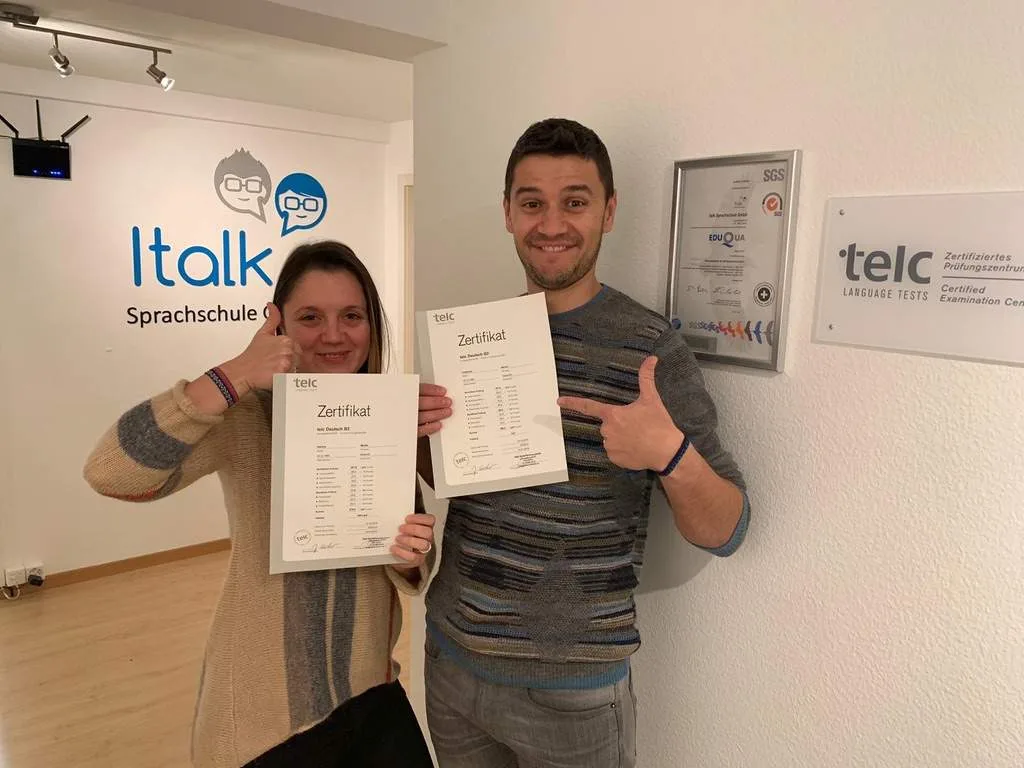
The B1 certificate is typically gotten by passing an exam provided by trustworthy organizations, such as the Goethe-Institut, telc (The European Language Certificates), or TestDaF.
The Benefits of the B1 German Certificate
Attaining a B1 certification can provide a wide variety of benefits, including:
Access to Education
For international trainees, a B1-level German certificate is frequently required when getting Studienkolleg (a preparatory course for college) or university programs taught partially in German.
Employment Opportunities
Numerous companies in Germany, Austria, and Switzerland try to find prospects with at least B1-level language skills, specifically in customer-facing roles or industries like healthcare and hospitality.
Residency and Citizenship
If you're getting irreversible residency or citizenship in Germany, a B1 certificate (or greater) is frequently a necessary element to show your integration into the society.
Travel and Cultural Immersion
Having an intermediate level of German makes taking a trip to German-speaking areas far more enhancing, allowing you to interact successfully with residents and much better comprehend cultural subtleties.
Individual Growth
Learning a brand-new language increases cognitive capabilities and offers you a sense of satisfaction. Reaching the B1 level is a substantial confidence booster for any student.
Exam Format: What to Expect
B1 accreditation exams normally examine 4 crucial language skills: reading, writing, listening, and speaking. Here's a breakdown of what each component includes:
Reading
Candidates are needed to check out a range of texts, such as educational articles, advertisements, and e-mails, and answer questions based on them. This part tests your ability to comprehend the general meaning and specific details of texts.
Listening
You will listen to brief conversations, radio programs, or statements and answer understanding concerns. The objective is to evaluate how well you comprehend spoken German in everyday contexts.
Writing
In this section, you'll need to compose short essays, letters, or emails on particular subjects, showing your capability to express ideas, opinions, or demands in written kind.
Speaking
The speaking test involves 2 parts: a prepared presentation on a familiar topic and a conversational part with the examiner or another candidate. The objective is to examine your capability to interact efficiently and coherently.
How to Prepare for the B1 German Certificate
Understand the Exam Structure
Acquaint yourself with the format of the B1 exam you're taking. Exam preparation books, sample documents, and official sites of Goethe-Institut and telc are excellent resources.
Practice Speaking Regularly
Speaking is typically the most tough skill for students, so concentrate on practicing discussions with native speakers, schoolmates, or tutors. Language exchange programs and apps like Tandem and HelloTalk are useful.
Increase Your Grammar and Vocabulary
Evaluation grammar rules such as previous tense (Präteritum), subjunctive (Konjunktiv II), and syntax. At the same time, broaden your vocabulary by studying words related to travel, work, and other practical circumstances.
Immerse Yourself in German Media
See German films, listen to podcasts, and check out newspapers or books in German to get utilized to understanding various accents and contexts.
Take Practice Tests
Mock exams will help you determine locations where you require enhancement and build your self-confidence. telc b1 zertifikat throughout practice to mimic exam conditions.
Where to Take the B1 Exam
A number of organizations worldwide use B1 exams. The most popular ones are:
Goethe-Institut: One of the most recognized authorities for German language accreditation. The test format is commonly accepted for work, education, and residency purposes.
telc Deutsch B1: Offers practical exam formats, frequently needed for integration and citizenship applications.
ÖSD Zertifikat B1: Another option for students focusing on Austrian German.
TestDaF or DSH: Typically tailored towards students using to German universities however likewise recognized as evidence of B1 efficiency.
Make certain to register well ahead of time, as exam slots can fill rapidly.
Conclusion
Obtaining a B1 German certificate is a valuable achievement that can open many chances in German-speaking nations. Whether you pursue it for your career, research studies, or combination into society, passing the B1 level demonstrates your dedication and competence in mastering the German language.
With consistent practice, structured preparation, and access to the best resources, you can achieve success in your B1 exam. So set your objectives high, stay disciplined, and welcome the difficulty-- your B1 German certification is well within reach!